

Absence as archive
{ when empty spaces hold story }


Karachi: pigeons exploding off the hot earth, a scatter of wings and shadow. Capturing what is there and what is left unsaid.
Black and white — 35 mm film.
The absence of story, the loss of archival texture.

When I found it hard to write during my field work trip in Karachi, a friend suggested I buy a cheap film point + shoot camera and take photos of scenes that made me ‘feel, ’ instead.
I recently developed the roll in Glasgow. And here were images I’d taken, without knowing how to take them. This imposter syndrome had been an unwelcome companion through all 36 exposures. ‘I’d never be able to take a photo in a meaningful way,’ I told myself.
These are the lies we often tell ourselves.
It made me realise that the absence of technical ability isn’t an absence of archival ability. My hands remembered something my mind never learned, or learned so long ago I forgot I knew it. This image above is my favourite. It says so little yet so much - about life in Karachi, the freedom you are allowed and the freedom you allow yourself.
This is what I’m discovering about research: sometimes what you don’t know you know is the most important archive. The pigeons were always there, rising from that Karachi ground, carrying the memory of that place in their flight. I just didn’t know I could catch this silence on film.
The land held the story whether I knew how to document it or not.
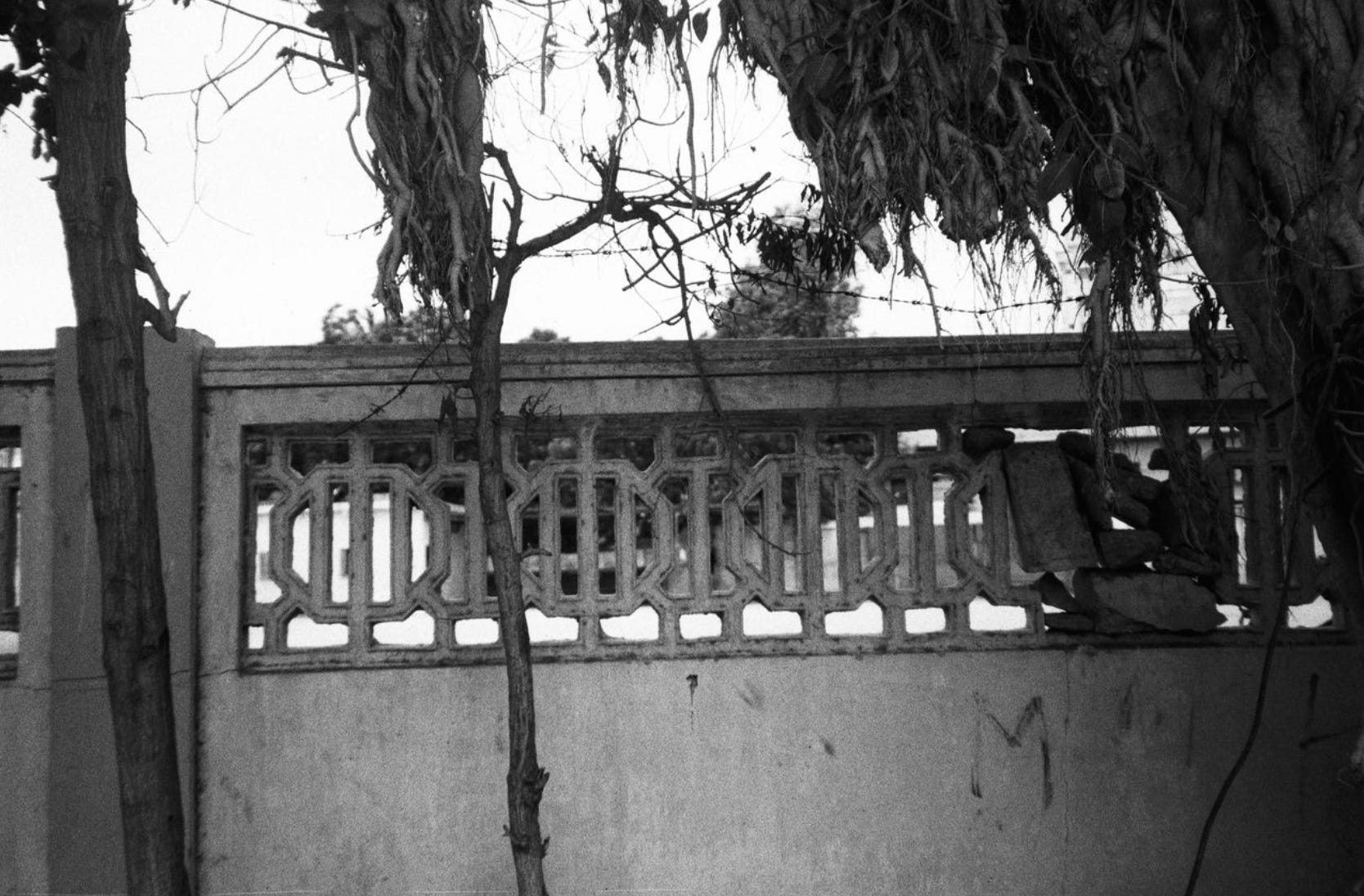
As I delve deeper into the world of my novel and my characters’ backstory I am reminded of the absences in my story. Perhaps, I can create such empty spaces in hers too….because
…we all carry silent archive of family legacy.
I often think of my Nani (maternal grandmother) and the stories she never told me about her life. She began her stories about her past from the time my Nana (maternal grandfather) designed and built a home in Karachi in anticipation of a new life in Pakistan. The life they would leave behind in India would merely be the past. The attitude of ‘looking' forward’ perhaps shadowed the pain of reliving the past. I sometimes wonder how they moved their possessions across the border, across the Indus, and why certain questions made her face close like a door.
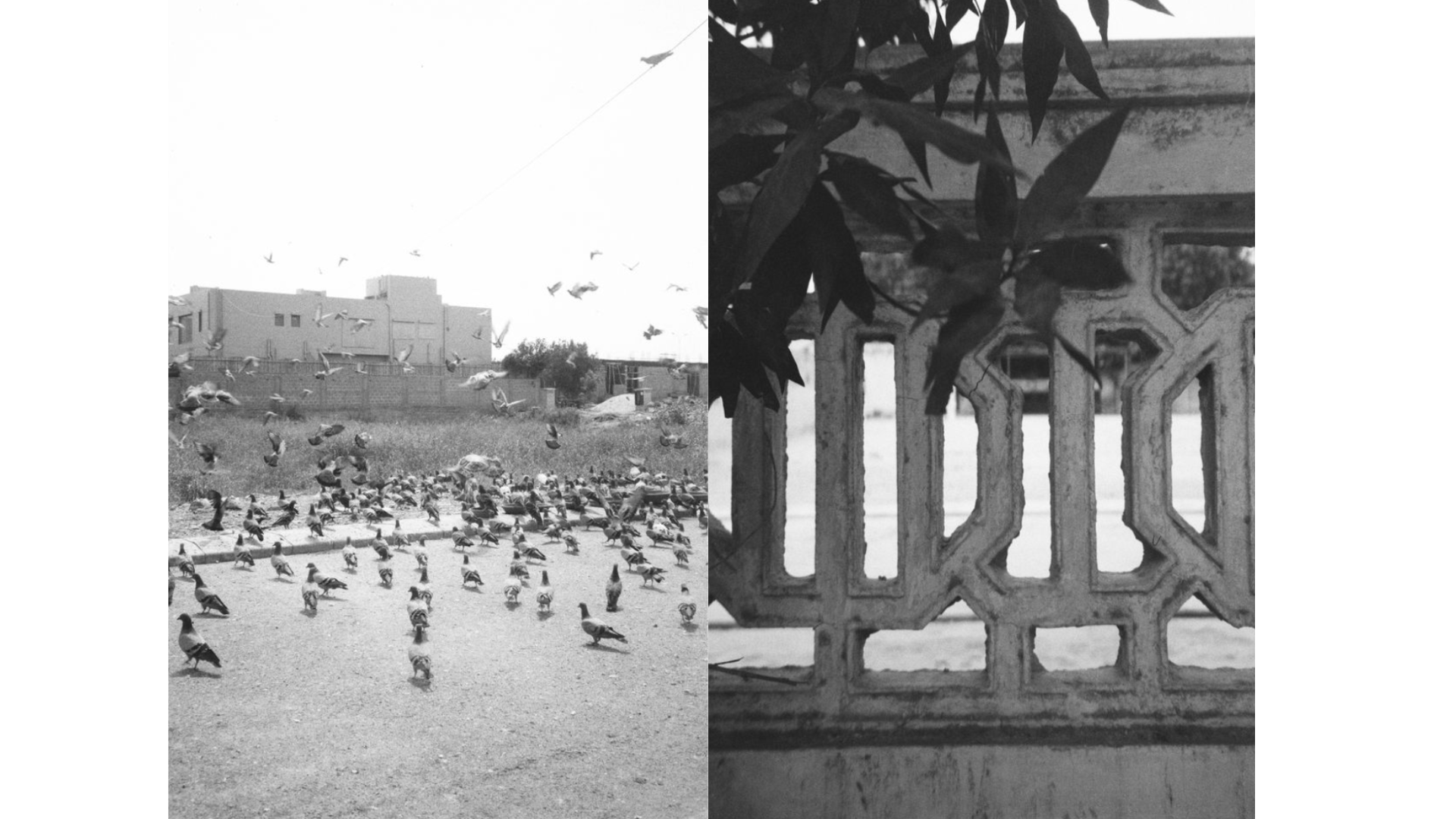
On this trip, I went to visit my Nani’s old home, or at least what remains of it. Above is a photo of the boundary wall of the house my Nana designed and built in Karachi. Behind this wall lies nothing but an empty plot now. This was house where my grandparents moved to after 1947 to begin a new life, and this was the house where I grew up later. The land holds memories made by three generations of our family. And sadly, its just a space filled with the echoes of a lost time.
My Nani passed away with so many of those silences intact, and for years I thought:
I have nothing. No oral history, no archive, no access.
But I’m learning that absence IS the archive. Her refusal to speak tells me now what was too painful, too complicated to preserve in words. The gaps in my inheritance - the missing measurements, the unnamed cities on faded maps, the stories she took to her grave; these aren’t a failure to share. They’re evidence. Evidence of survival strategies, of trauma too large for language, of what Partition took that can never be returned. Of memories that seems too trivial to preserve but in fact they are carried with me in my blood.
In the same way, my own research keeps bringing me to the lack of books on certain subjects, the meagre information in Western libraries on some of the topics I’m looking at and the disinterest of many about the stories I carry - some that even I don’t know I carry.
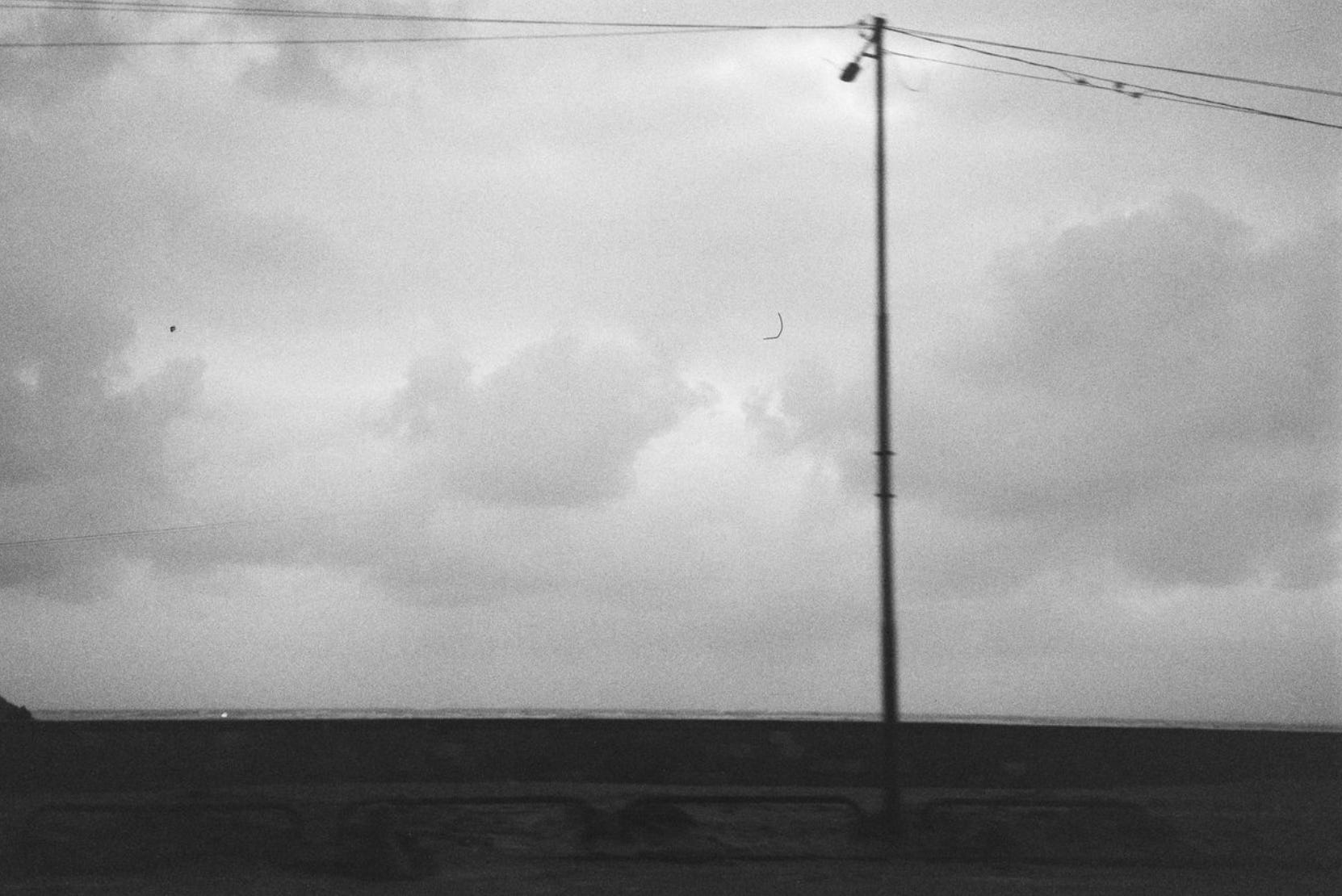
The pigeons will continue to rise from the Karachi ground whether I photograph them or not. My grandmother’s silence holds her story whether she spoke it or not. My novel is exploring the questions that still remain unanswered in my world and in the world at large.
This week I found gaps in archives, stories never documented, no place to find answers about the ancient history of the land that makes up Pakistan (as compared to other ancient lands, ) and why so many people choose to look forward rather than look back to understand whats ahead…
Though the house I grew up in no longer stands behind that wall, there still remains a memory in the earth, the air and the space that once was ours.
love,



Do you want to develop and nurture your writer’s voice?
My slow writing online email course helps you work through gentle prompts and audio messages from me - In 21 days you will find your writing muse…
Beautiful and thought provoking. "the questions that could make her face close like a door" really struck me. Stunning x